
Top Research-Proven Reading Programs for Dyslexia
Are you searching for effective ways to help your child with dyslexia learn to read? As a homeschool parent myself, I understand the challenge of finding research-proven programs that actually work. Let’s explore the most effective reading programs for dyslexia that you can use at home, backed by scientific research and real parent experiences.
Understanding What Your Child Needs
Before diving into specific programs, let’s quickly identify what makes a reading program effective for dyslexia:
✓ Systematic phonics instruction
✓ Explicit phonemic awareness training
✓ Multi-sensory teaching methods
✓ Structured literacy approach
✓ Research-validated results
Top Research-Proven Reading Programs for Dyslexia
Orton-Gillingham Based Programs (See pricing key below)
1. Barton Reading & Spelling System
Best for: One-on-one instruction
- Complete 10-level program
- No special certification required
- Includes detailed parent training
- Pricing:
- Single level: $$$
- Complete system: $$$$
- Visit: https://bartonreading.com/
2. All About Reading
Best for: Parent-friendly implementation
- Pre-reading through Level 4
- Includes manipulatives and readers
- Scripted lessons for parents
- Pricing:
- Single level: $$
- Complete system: $$$
- Visit: https://www.allaboutlearningpress.com/ (Affiliate Link)
Multi-Sensory Programs
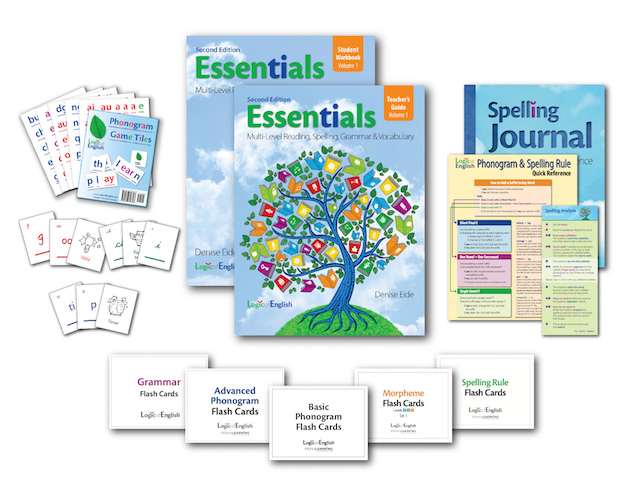
3. Logic of English Foundations
Best for: Young children and early intervention
- Systematic phonics approach
- Games and hands-on activities
- Clear parent teaching guides
- Pricing:
- Single level: $$
- Complete system: $$$
- Visit: https://www.logicofenglish.com/ (Affiliate Link)
4. Wilson Reading System
Best for: Comprehensive intervention
- 12-step systematic program
- Research-validated approach
- Strong comprehension focus
- Pricing:
- Single level: $$$
- Complete system: $$$$
- Visit: https://www.wilsonlanguage.com/
Technology-Based Solutions
1. Lexia Core5 Reading
Best for: Supplemental support
- Adaptive technology
- Progress monitoring
- Parent-friendly reports
- Pricing:
- Monthly subscription: $
- Annual subscription: $$
- Visit: https://www.lexialearning.com/
2. Nessy Reading & Spelling
Best for: Engaging practice
- Game-based learning
- Structured progression
- Parent monitoring tools
- Pricing:
- Monthly subscription: $
- Annual subscription: $$
- Visit: https://www.nessy.com/
Budget-Friendly Options for Home Use
1. Reading Horizons Discovery
Best for: Structured home teaching
- Direct instruction materials
- Online support available
- Parent teaching guides
- Pricing:
- Single level: $$
- Online subscription: $
- Visit: https://readinghorizons.com/ (Affiliate program available)
2. Touch-Type Read Spell (TTRS)
Best for: Older students
- Typing and reading combined
- Self-paced lessons
- Multi-sensory approach
- Pricing:
- Monthly subscription: $
- Annual subscription: $$
- Visit: https://www.readandspell.com/ (Affiliate program available)
Essential Supplementary Tools
Assistive Technology
Reading Support Tools
- Learning Ally audiobooks
- Bookshare digital library
- Text-to-speech software
- Reading pens
Pro tip: Use these alongside, not instead of, direct reading instruction.
Assessment Tools
Before You Start
- Search for and Use Free dyslexia screening tools
- Determine Your Child’s Functional Reading level using assessments
- Find or seek a Phonemic awareness evaluation or test
- Find or seek a Working memory evaluation or test
Choosing the Right Program
Key Factors to Consider
- Your Child’s Age and Level
- Early intervention (K-2)
- Elementary remediation (3-5)
- Upper grades (6+)
- Your Teaching Time Available
- 20-30 minutes daily minimum to make progress
- Structured lesson planning
- Regular assessment periods
- Budget Considerations
- Initial investment
- Ongoing materials
- Technology requirements
Implementation Strategies
Daily Schedule Template
1. Phonemic awareness (5-10 minutes)

2. New skill introduction (10 minutes)

3. Guided practice (10-15 minutes)

4. Review and reinforcement (5-10 minutes)
Progress Monitoring
- Keep daily reading logs for documentation and tracking
- Record your child’s error patterns so you can note when they’re corrected
- Track improvement areas to determine if you’re actually making progress
- Celebrate successes because every new skill matters
Additional Resources
Free Support Materials Found Online
- Dyslexia practice worksheets
- Phonogram cards
- Sight word lists
- Progress tracking sheets
Where to Find Professional Support
- Certified dyslexia tutors
- Online teaching resources
- Parent support groups
- Professional evaluations
Getting Started Today
- Assess Your Child’s Needs
- Complete basic screenings
- Identify key struggle areas
- Get a comprehensive neuropsychological evaluation
- Choose Your Program
- Review the available reading program recommendations
- Consider your budget
- Check program requirements
- Create Your Plan
- Set up daily schedule
- Gather materials
- Begin systematic instruction
FAQ
Q: How long until I see results?
A: Most parents notice improvements within 3-6 months of consistent practice.
Q: Can I use multiple programs?
A: It’s better to focus on one main program while using another as a supplemental practice program. We made great progress with one hands-on program to use one-on-one with my children, and one software/online based program for them to use for focused practice before bedtime.
Pricing Key:
- $ = Under $30/month or under $200 one-time
- $$ = $30-80/month or $200-500 one-time
- $$$ = $80-150/month or $500-1,500 one-time
- $$$$ = Over $150/month or over $1,500 one-time
Assistive Technology ADDED To A Reading Program for Overcoming Dyslexia
While your child is learning to read, using assistive technology for reading or dyslexia can keep your child from falling behind in other subjects. Good assistive technology for reading can also help your child work more independently. The right types of assistive technology can also help him develop better reading skills. In addition to the Assistive Technology page, you might want to check out Text-to-Speech, Books-on-Tape, and Audiobooks for Children with Dyslexia Assistive technology that helps your child read is not a substitute for a good reading program for overcoming dyslexia. The technology is used in addition to any reading program for overcoming dyslexia that you choose.
About Dyslexia
Are you unsure whether your child has dyslexia? Does your child reverse numbers and letters? Does he have to decode every word he sees, even if he has just seen it in the previous sentence? These symptoms may indicate your child has a developmental problem that is called dyslexia. OR it might be some other reading disability that manifests itself as dyslexia. The About Dyslexia page (click title) will provide additional guidance as you decide whether you want to work on overcoming dyslexia at home. It may help you decide if you need a reading program for overcoming dyslexia, or whether you need other testing first.
All About Reading Materials: